BS EN 13445 – Unfired Pressure Vessels
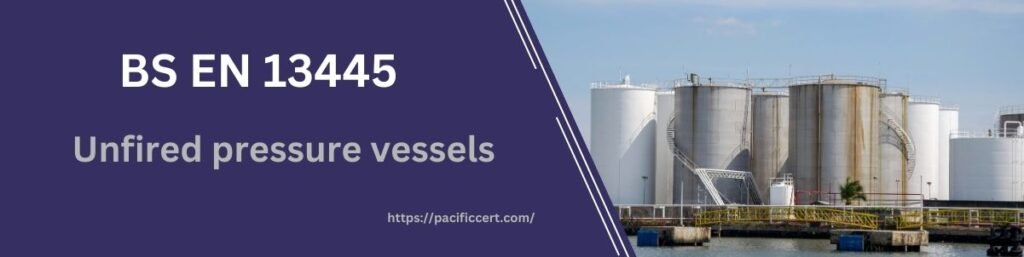
What is BS EN 13445-1:2021 – Unfired Pressure Vessels General? BS EN 13445-1:2021 deals with the design and construction of unfired pressure vessels. Specifically, it provides general guidelines and requirements for unfired pressure vessels and their components. Unfired pressure vessels are containers used to hold gases or liquids under pressure but are not exposed to […]
DIN EN 1090-1- Execution of steel structures and aluminium structures
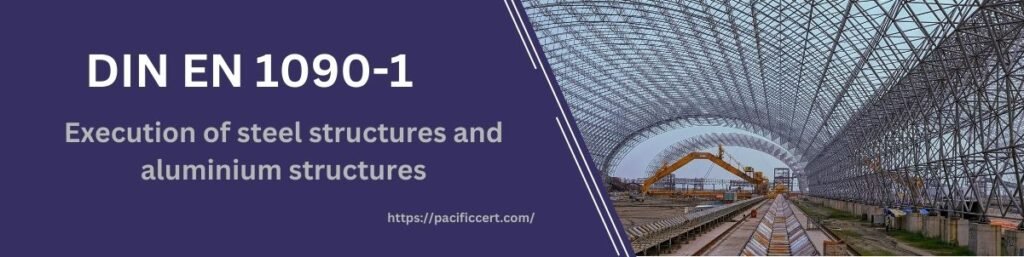
Steel and aluminium are two of the most common materials used in construction. Unfortunately, they also have several inherent weaknesses that can lead to failure. This article will discuss the main types of steel structures and aluminium structures, outline the different types of failure that can occur, and provide some tips on how to ensure […]
BS EN 13814-1-Safety of Amusement Rides

What is BS EN 13814-1:2019 Safety of Amusement Rides and Amusement Devices Design and Manufacture? BS EN 13814-1-Safety of amusement rides specifies safety requirements for the design and manufacture of amusement rides and amusement devices. The standard is part of a series of standards that address various aspects of safety related to amusement rides and […]
DIN EN 14511 – Standards for Air Conditioners

DIN EN 14511- Standards for Air conditioners specifies the testing and rating conditions for air conditioners, including air-cooled and water-cooled air conditioning units, heat pumps, and dehumidifiers. The standard is part of the EN 14500 series, which covers various aspects of air conditioning and refrigeration equipment. Here are some key points of DIN EN 14511: […]
BS EN 12150-1:2015-Glass in Building

What is BS EN 12150-1:2015-Glass in Building – Thermally Toughened Soda Lime Silicate Safety Glass – Definition and description? BS EN 12150-1:2015-Glass in building is part of the EN 12150 series. It establishes the requirements for thermally toughened soda lime silicate safety glass used in buildings Also, Thermally toughened safety glass is a type of […]
ISO 29463-5:2022 – High-Efficiency Filters and Filter Media for Removing Particles in Air

What is ISO 29463-5:2022? ISO 29463-5:2022 is an international standard that specifies the test methods and classification process for high-efficiency particulate air (HEPA) and ultra-low penetration air (ULPA) filters used to remove particles from air. These filters are critical in environments where air cleanliness and contamination control are key, such as cleanrooms or semiconductor manufacturing […]
Good Distribution Practices (GDP)

What is Good Distribution Practices (GDP)? Good Distribution Practices (GDP) refer to the guidelines and standards for the proper storage, transportation, and distribution of products, particularly pharmaceuticals, medical devices, and food products. GDP ensures that products are handled, stored and distributed in conditions that maintain their quality, safety and efficacy throughout the supply chain. GDP […]
TS EN ISO 12100:2010 Safety of machinery
What is ISO 12100? ISO 12100:2010 is an international standard that defines general design principles to reduce risks in machinery used across various industries. It applies to manufacturers who design, assemble or modify machines intended for industrial use. The standard helps incorporate safety features during the design stage by identifying hazards, assessing risks and applying […]
ISO 22241-1:2019 – Diesel Engines – NOx Reduction Agent AUS 32

What is ISO 22241? ISO 22241-1:2019 is the first part of the ISO 22241 series, which specifies the quality requirements for the NOx reduction agent AUS 32 (commonly known by the trade name AdBlue® in Europe or DEF – Diesel Exhaust Fluid in North America). AUS 32 is an aqueous solution of 32.5% high-purity urea and 67.5% deionized water, used in Selective Catalytic Reduction (SCR) systems to reduce nitrogen oxide […]
ISO 20345:2021 – Personal Protective Equipment – Safety Footwear
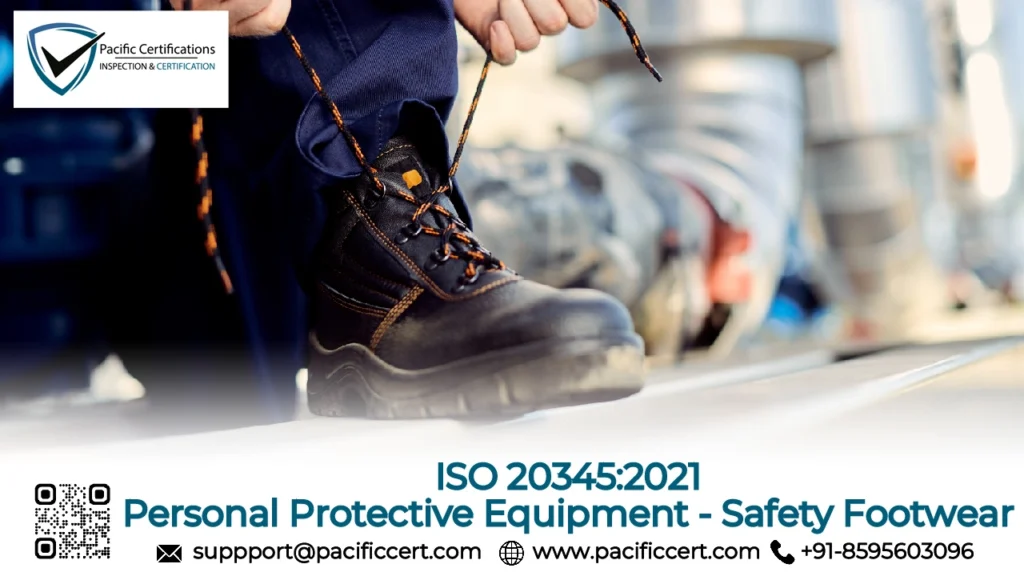
What is EN ISO 20345? EN ISO 20345:2021 is an international standard that specifies minimum requirements for safety footwear used in occupational settings where protection against injuries is necessary. It defines performance criteria for footwear equipped with safety toe caps and other features designed to shield the wearer from physical hazards such as impacts, compression, penetration, slippage and electrical risks. […]